Potholes are one of the most common forms of pavement damage, yet many property owners underestimate how quickly they can develop. What often starts as a small crack or slight surface defect can rapidly grow into a large pothole that affects the safety, appearance and usability of a road, driveway or car park. Once the deterioration process begins, traffic, weather and moisture work together to accelerate the damage.
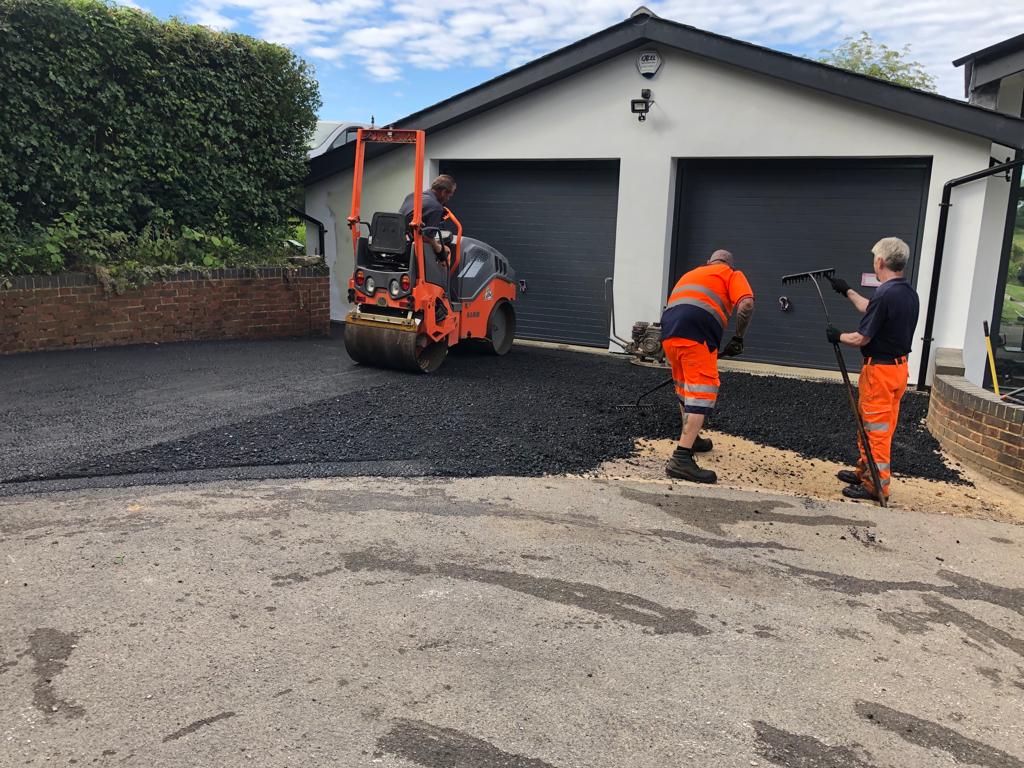
At Cowra Road Tek, we provide professional asphalt and bitumen resurfacing services throughout Cowra, NSW, helping property owners repair damaged surfaces before they become more extensive. Understanding why potholes develop so quickly highlights the importance of early maintenance and timely repairs.
Every Pothole Starts Small
Potholes rarely appear without warning. In most cases, they begin with minor surface imperfections that gradually worsen over time.
The early signs often include:
- Fine surface cracks
- Small areas of wear
- Loose aggregate
- Slight depressions
- Edge deterioration
Although these defects may seem insignificant, they create openings that allow moisture and traffic loads to begin damaging the pavement from below.
Water Weakens the Foundation
Water is one of the biggest contributors to pothole formation.
When rainwater enters small cracks, it seeps beneath the asphalt or bitumen surface and reaches the underlying base. As moisture softens the foundation, it reduces the pavement’s ability to support vehicle loads.
Once the base becomes unstable, the surface above starts to flex, crack further and eventually break apart.
Without prompt repairs, this process can happen much faster than many people expect.
Traffic Accelerates the Damage
Every vehicle travelling over a weakened section of pavement increases the pressure on the damaged area.
Cars, utes, trucks and heavy machinery repeatedly compress the unstable base, causing cracks to widen and loose material to separate from the surface.
As the damaged area grows, more water enters the pavement, creating a cycle that leads to rapid deterioration.
The more traffic a surface experiences, the faster potholes can develop.
Poor Drainage Makes Problems Worse
One of the most overlooked causes of pothole formation is poor drainage.
If water cannot drain away effectively, it remains on or beneath the pavement for longer periods. This continuous exposure allows moisture to penetrate deeper into the structure and further weaken the supporting layers.
Professional grading and drainage design are essential for directing water away from the pavement and reducing the risk of ongoing damage.
Weather Plays an Important Role
Asphalt and bitumen surfaces expand and contract as temperatures change. Over time, these natural movements place additional stress on existing cracks and weak points.
Combined with rainfall and everyday traffic, changing weather conditions can significantly speed up the deterioration process.
Regular inspections help identify early signs of damage before seasonal conditions cause them to worsen.
Small Cracks Become Large Failures
Many people postpone repairs because the damage appears to be only cosmetic. However, once moisture enters the pavement, deterioration often occurs beneath the surface before it becomes visible.
Eventually, sections of the pavement lose their structural support and begin to collapse under traffic, forming potholes.
What could have been addressed with minor repairs may then require more extensive restoration or resurfacing.
Potholes Continue to Expand
Once a pothole forms, it rarely stays the same size.
Each passing vehicle places stress on the edges of the damaged area, causing more material to break away. Water continues to enter the exposed sections, weakening the surrounding pavement and allowing the pothole to spread.
Without professional repairs, a single pothole can quickly affect a much larger portion of the surface.
Preventative Maintenance Makes a Difference
The most effective way to prevent potholes is to address pavement issues before they become severe.
Regular maintenance can include:
- Repairing surface cracks
- Improving drainage
- Sealing vulnerable areas
- Correcting surface wear
- Monitoring pavement condition
By resolving minor defects early, property owners can significantly extend the lifespan of their asphalt and bitumen surfaces.
Why Professional Repairs Are Essential
Effective pothole repairs involve more than simply filling the visible hole.
Experienced contractors assess the condition of the surrounding pavement and determine whether underlying problems such as poor drainage, unstable foundations or widespread deterioration need to be addressed.
Professional repairs restore both the surface and its structural support, helping reduce the likelihood of recurring damage.
Conclusion
Potholes develop much faster than most people realise because water, traffic and environmental conditions work together to weaken the pavement from beneath the surface. What begins as a small crack can quickly become a much larger problem if left untreated.
At Cowra Road Tek, we provide professional asphalt and bitumen repair, resurfacing and maintenance services throughout Cowra, NSW. Whether you have noticed early signs of cracking or existing potholes, our experienced team can assess your pavement and recommend practical solutions that restore its strength, improve safety and extend its service life. Contact us today to discuss how timely repairs can help protect your asphalt and bitumen surfaces for years to come.
Call us on: 02 5926 2530
Click here to find out more about Cowra Road Tek
Click here to complete our contact form and see how we can help with your Asphalt and Bitumen Surfacing needs.