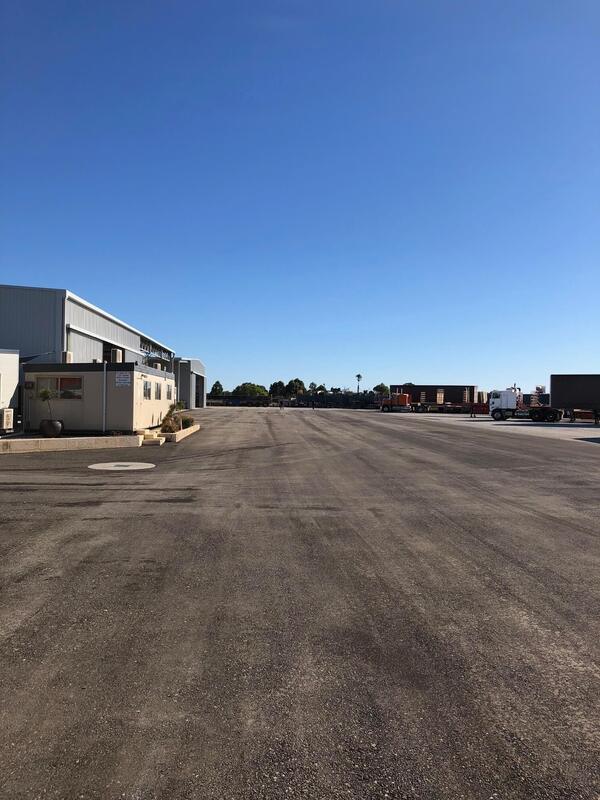
When an asphalt driveway, access road, car park or hardstand begins showing signs of damage, it is easy to assume that the entire surface will need to be replaced. In many situations, however, deterioration is concentrated within particular sections while the surrounding pavement remains structurally sound.
For property owners and businesses in Cowra, NSW, repairing damaged asphalt without replacing the entire surface can be a practical option when problems are identified at the right stage. The important part is determining whether the damage is confined to the surface or whether deterioration extends into the supporting pavement below.
Not All Asphalt Damage Requires Complete Replacement
Asphalt rarely deteriorates evenly across an entire pavement. Certain areas may experience greater stress because of vehicle movements, water accumulation, turning traffic or weaknesses in the underlying base.
If these problems remain localised, the affected sections can often be repaired while retaining asphalt that continues to perform properly.
Examples of potentially repairable damage include:
- Isolated potholes
- Localised cracking
- Small areas of surface breakup
- Damaged pavement edges
- Limited depressions
- Individual failed patches
- Localised wear in heavily trafficked areas
Whether these problems can be repaired successfully depends on their cause and the condition of the pavement surrounding them.
Start by Finding Out Why the Asphalt Failed
A durable repair should address more than the visible damage.
For example, filling a pothole may restore the surface temporarily, but if the supporting base underneath has become unstable, the same area may deteriorate again.
Professional assessment should consider why the failure occurred. Possible causes include water entering through cracks, poor drainage, inadequate base support, repeated heavy loading or natural pavement ageing.
Identifying the cause allows the repair method to be matched to the actual condition of the pavement.
Small Cracks Can Often Be Addressed Early
Minor cracking does not automatically mean an asphalt surface has reached the end of its useful life.
When cracks are limited and the surrounding pavement remains stable, early treatment can help prevent water and debris from entering the pavement. This is important because moisture beneath the asphalt can weaken supporting materials and accelerate deterioration.
Cracks should also be monitored for changes. A crack that continues widening, repeatedly returns after repair or is accompanied by settlement may indicate a deeper problem requiring further investigation.
Localised Potholes Can Be Repaired
An isolated pothole can often be repaired without disturbing the rest of a sound asphalt surface.
A professional repair generally involves removing loose or failed material and assessing the condition underneath. If the base has deteriorated, it may need to be restored and compacted before the asphalt is reinstated.
This is more effective than simply placing material into the visible hole.
The objective is to rebuild the damaged section so that it once again has adequate support under normal traffic.
What About Sunken or Depressed Areas?
Depressions require careful assessment because the visible asphalt may not be the main problem.
If the pavement has sunk because the underlying material has settled or lost strength, adding another layer of asphalt over the top may not provide a lasting repair. The new material can eventually follow the same movement underneath.
Where settlement is localised, the affected section may be removed so the base can be corrected before the asphalt surface is restored.
If settlement is occurring across much of the pavement, more extensive work may need to be considered.
Drainage Problems Should Be Corrected
Water is frequently involved in asphalt deterioration.
Low areas can collect rainwater, while cracks and damaged edges provide routes for moisture to enter the pavement. Once supporting materials become wet and unstable, traffic can accelerate the failure.
If damaged asphalt in Cowra is associated with recurring water pooling, repairing the surface without addressing drainage may leave the original cause unresolved.
Depending on the site, preparation may involve correcting pavement levels, repairing damaged edges or improving the way water moves away from the surface.
Edge Damage Can Often Remain Localised
The outer edges of asphalt driveways and access roads can be particularly vulnerable because they have less support than the central pavement.
Vehicles travelling too close to an unsupported edge, erosion of adjoining material or water movement can cause sections to crack and break away.
Where the damage has not spread significantly, localised reconstruction may restore the affected edge without requiring work across the entire surface.
It is also important to restore adequate support around the repaired section so the same failure is less likely to continue.
When Does Resurfacing Become a Better Option?
There is an important difference between localised repair and resurfacing.
Repairs target specific failed areas. Resurfacing renews a much larger portion of the asphalt wearing surface while retaining suitable pavement underneath.
Resurfacing may be considered when individual defects have become more widespread but the underlying pavement remains sufficiently stable. Before a new asphalt layer is installed, failed areas generally need to be repaired and appropriate preparation completed.
This allows serviceable pavement layers to be retained while providing a renewed surface above them.
Signs the Problem May Be More Extensive
Local repairs become less suitable when deterioration affects much of the pavement.
Warning signs can include widespread interconnected cracking, numerous recurring potholes, substantial rutting, extensive settlement or movement across several areas.
If the base has failed over a large section, continually repairing individual surface defects may not address the underlying problem.
A professional assessment can determine whether repairs remain worthwhile, resurfacing is appropriate or more extensive pavement reconstruction is required.
Why Repeated Repairs Sometimes Fail
If the same pothole, crack or depression repeatedly returns, it can indicate that the source of the problem has not been corrected.
Surface repairs cannot permanently stabilise a weak base. Similarly, repairing asphalt will not prevent recurring moisture damage if water continues entering the pavement.
Repeated failures are therefore useful warning signs.
Rather than continuing to treat the visible defect, the surrounding pavement and supporting layers should be investigated to determine why movement or deterioration continues.
Acting Early Can Preserve More of the Existing Asphalt
One of the advantages of inspecting pavement damage early is the opportunity to preserve asphalt that remains in good condition.
A small crack can eventually contribute to water infiltration. Localised surface breakup can progress into a pothole, while an untreated pothole can gradually damage its surrounding edges.
Addressing deterioration while it remains confined can reduce the likelihood of the affected area expanding into otherwise serviceable pavement.
Regular inspections are therefore useful for driveways, roads, hardstands and commercial vehicle areas where asphalt receives consistent traffic.
Professional Repairs Focus on the Pavement as a Whole
Good asphalt repair is not simply about making the damaged area look smooth again.
An experienced contractor considers the condition of the surface, the stability underneath, drainage, traffic requirements and how the repaired section will integrate with the surrounding pavement.
This helps determine the appropriate extent of the work rather than automatically recommending either a small patch or complete replacement.
For property owners in Cowra, this approach can help retain serviceable asphalt while ensuring sections that genuinely require attention are repaired correctly.
Conclusion
Damaged asphalt can often be repaired without replacing the entire surface, particularly when deterioration is localised and the surrounding pavement remains structurally sound. Cracks, isolated potholes, damaged edges and individual failed sections may all be suitable for targeted repair after the underlying cause has been assessed.
The condition beneath the asphalt is ultimately what determines the right approach. Where the base remains stable, local repairs or resurfacing may preserve much of the existing pavement. Where widespread movement or structural failure is present, more extensive preparation may be necessary.
If your asphalt driveway, road, hardstand or vehicle area in Cowra, NSW is showing signs of deterioration, Cowra Road Tek can assess the condition of the pavement and determine an appropriate repair or resurfacing approach. Contact our team to discuss the affected areas and the most practical way to restore a durable, reliable surface.
Call us on: 02 5926 2530
Click here to find out more about Cowra Road Tek
Click here to complete our contact form and see how we can help with your Asphalt and Bitumen Surfacing needs.