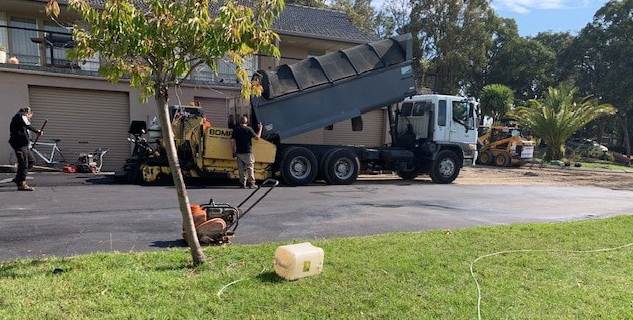
Asphalt surfaces are designed to provide a durable, smooth and reliable area for vehicles and everyday traffic. However, continuous use, weather exposure and natural ageing can gradually affect their condition. Over time, driveways, access roads and car parks may develop cracks, rough patches, surface wear and uneven sections.
When these problems begin affecting the appearance or functionality of a pavement, asphalt resurfacing can provide an effective way to restore the existing surface without necessarily removing and rebuilding the entire structure.
For property owners and businesses in Cowra, NSW, understanding how asphalt resurfacing works can help determine whether an ageing pavement is suitable for renewal.
At Cowra Road Tek, we provide professional asphalt resurfacing solutions focused on restoring worn surfaces, improving everyday access and supporting long-term pavement performance.
What Is Asphalt Resurfacing?
Asphalt resurfacing is the process of renewing an existing asphalt pavement by installing a new wearing layer over a properly prepared surface.
Rather than removing the entire pavement structure, resurfacing retains the existing supporting layers where they remain structurally sound.
The process typically involves inspecting the existing asphalt, repairing damaged sections, preparing the surface and applying a new layer of asphalt.
Once the material has been laid and compacted, the pavement has a renewed trafficable surface.
Asphalt resurfacing is commonly used for:
- Residential driveways
- Commercial access roads
- Car parks
- Private roads
- Industrial trafficable areas
- Vehicle entrances and turning areas
- Other worn asphalt pavements
The suitability of resurfacing depends on the condition of the existing pavement and its ability to support the intended traffic.
How Does Asphalt Resurfacing Work?
Professional asphalt resurfacing involves several important stages. Each contributes to the quality and performance of the finished surface.
1. Assessing the Existing Asphalt
Before resurfacing begins, the pavement needs to be inspected to determine whether the existing structure is suitable.
This assessment considers the condition of the wearing surface, the extent of cracking, previous repairs, drainage and any signs of movement.
Particular attention is given to defects that may indicate problems beneath the asphalt.
For example, extensive interconnected cracking, deep wheel ruts or recurring settlement may suggest that the supporting pavement has weakened.
If the underlying structure remains stable, resurfacing may be appropriate.
However, where significant structural deterioration is present, additional repairs or pavement rehabilitation may be required before a new wearing layer can be installed.
2. Cleaning and Preparing the Surface
Once the pavement has been assessed, the existing surface must be properly prepared.
Loose material, dirt and debris are removed to create suitable conditions for the resurfacing work.
The surface is also checked for areas where the existing asphalt has become unstable or deteriorated.
Preparation is essential because the new asphalt layer needs to bond effectively with the pavement underneath.
Applying fresh asphalt over loose or contaminated material can affect the performance of the finished surface.
3. Repairing Cracks, Potholes and Damaged Sections
Existing defects should be addressed before resurfacing.
This may involve repairing potholes, removing unstable asphalt or correcting localised areas of pavement failure.
Where cracks are present, the appropriate treatment depends on their type, extent and underlying cause.
Some cracks may require specific preparation to reduce the likelihood of them reflecting through the new surface.
If damaged sections have weakened supporting materials, those areas may need to be reconstructed before resurfacing continues.
This stage helps ensure that the new wearing layer is installed over a suitable foundation rather than simply covering existing problems.
4. Correcting Surface Levels and Drainage
An asphalt pavement should have appropriate falls to allow rainfall to drain away.
If the existing surface contains depressions or uneven areas, these may need to be corrected before the new layer is installed.
Water pooling can accelerate pavement deterioration, particularly where cracks or damaged edges allow moisture to enter the supporting layers.
Professional resurfacing preparation considers the existing surface profile and drainage conditions.
Where practical, adjustments can be made to improve surface consistency and water movement.
However, significant drainage or foundation problems may require additional work beyond resurfacing alone.
5. Applying a Bonding Treatment
Depending on the resurfacing method and condition of the existing pavement, a tack coat may be applied before the new asphalt is installed.
A tack coat is a thin application of bituminous material designed to help the new asphalt layer bond with the existing surface.
Effective bonding is important because it allows the pavement layers to work together under traffic.
The surface must be suitably prepared before the bonding treatment is applied.
6. Laying the New Asphalt
Once preparation is complete, fresh asphalt is placed over the existing pavement.
The asphalt is laid to the specified thickness and profile required for the intended application.
Professional laying equipment helps distribute the material evenly and establish a consistent finished surface.
The appropriate asphalt mix and layer thickness depend on factors such as traffic loading, pavement condition and the intended use of the area.
A driveway used by passenger vehicles may have different requirements from a commercial access road carrying heavier traffic.
7. Compacting the Asphalt
Compaction is one of the most important stages of asphalt resurfacing.
After the asphalt has been laid, suitable rollers are used to compact the material while it remains within the appropriate working temperature range.
Compaction reduces air voids and helps the asphalt achieve the density needed for reliable performance.
Insufficient compaction can leave the surface vulnerable to premature deformation or deterioration.
Professional compaction also helps establish a smoother, more consistent finish.
8. Final Inspection and Surface Readiness
After the asphalt has been compacted, the finished pavement is checked for surface consistency and any visible defects.
The area must also be allowed to cool sufficiently before it is opened to traffic.
The appropriate reopening time depends on factors such as asphalt temperature, layer thickness, weather conditions and expected vehicle loads.
Following the contractor’s guidance helps protect the newly resurfaced pavement during its initial use.
What Are the Main Benefits of Asphalt Resurfacing?
When the existing pavement remains structurally suitable, resurfacing can provide several practical benefits.
Restores a Smoother Driving Surface
Worn asphalt may develop rough patches, shallow depressions and irregular areas that affect driving comfort.
Resurfacing can restore a more uniform trafficable surface, improving everyday vehicle movements.
This is particularly useful for driveways, access roads and car parks experiencing general surface wear.
Improves the Appearance of Existing Asphalt
Over time, asphalt can become faded, patchy and uneven due to ageing and previous repairs.
A new wearing layer provides a more consistent finish across the resurfaced area.
This can improve the presentation of residential and commercial properties while maintaining a practical trafficable surface.
Helps Protect the Supporting Pavement
Cracks and worn areas can allow moisture to enter the pavement structure.
A properly installed asphalt wearing layer helps reduce direct water penetration through intact sections.
When combined with suitable drainage and appropriate repairs, resurfacing can help protect the supporting materials from further deterioration.
Preserves Serviceable Pavement Layers
One of the main advantages of resurfacing is that it can retain existing pavement materials that remain in good condition.
Where the foundation is stable, complete reconstruction may not be necessary.
Professional assessment helps determine whether the existing structure can continue supporting the renewed surface.
Supports Long-Term Surface Performance
Resurfacing can extend the useful life of an existing pavement when the underlying structure remains suitable and the work is properly prepared.
However, its long-term performance depends on traffic loading, drainage, pavement condition and ongoing maintenance.
Resurfacing is most effective when existing defects are addressed before the new asphalt is installed.
When Should You Consider Asphalt Resurfacing?
There are several signs that an existing pavement may benefit from resurfacing.
These include:
- Widespread surface wear
- Numerous minor cracks
- Rough or uneven asphalt
- Loose aggregate and surface breakdown
- Multiple previous repairs
- General deterioration across the wearing layer
- Faded and patchy asphalt
- Minor surface irregularities that can be corrected during preparation
These conditions do not automatically mean resurfacing is required.
The important consideration is whether the supporting pavement remains stable enough to accommodate a new asphalt layer.
Can Asphalt Resurfacing Fix Potholes?
Asphalt resurfacing can form part of restoring a pavement affected by potholes, but the damaged sections must be properly repaired first.
A pothole may indicate that the asphalt has broken apart due to moisture infiltration, traffic loading or weakness in the supporting pavement.
Simply laying fresh asphalt over an unstable pothole can allow the defect to reappear.
Professional preparation may involve removing failed material, restoring suitable support and reinstating the damaged area before the wider pavement is resurfaced.
This helps create a more stable foundation for the new wearing layer.
Can Resurfacing Fix Cracked Asphalt?
Resurfacing may be appropriate for cracked asphalt when the supporting pavement remains structurally sound.
However, not all cracking can be addressed through a new surface layer alone.
Cracks caused by ongoing pavement movement may eventually reflect through the resurfaced asphalt.
Extensive fatigue cracking can also indicate that the pavement structure is no longer providing adequate support.
For this reason, the type and extent of cracking should be assessed before resurfacing begins.
Where necessary, damaged sections may require additional treatment or reconstruction.
What Is the Difference Between Asphalt Repairs and Resurfacing?
Asphalt repairs generally focus on correcting specific damaged sections of pavement.
Examples include pothole repairs, crack treatments and localised replacement of failed asphalt.
Resurfacing involves renewing a larger section of the wearing surface.
The most appropriate option depends on how extensively the pavement has deteriorated.
If damage is confined to a few isolated areas, targeted repairs may be sufficient.
Where surface wear and cracking extend across a substantial area, resurfacing may provide a more comprehensive solution.
However, both approaches rely on identifying and addressing the underlying cause of deterioration.
What Is the Difference Between Resurfacing and Reconstruction?
Resurfacing and reconstruction are different pavement treatments.
Resurfacing retains the existing pavement structure where it remains suitable and installs a new wearing layer.
Reconstruction involves removing or rehabilitating failed pavement layers and rebuilding the supporting structure before a new surface is installed.
Reconstruction may be necessary where the pavement has experienced significant structural deterioration.
Warning signs can include:
- Deep wheel ruts
- Widespread interconnected cracking
- Repeated pavement settlement
- Recurring potholes
- Extensive base failure
- Significant movement under traffic
A professional assessment helps establish whether resurfacing will provide a suitable result or whether more substantial pavement work is required.
How Long Does Asphalt Resurfacing Last?
There is no single lifespan that applies to every resurfaced asphalt pavement.
Performance depends on several factors, including the quality of the existing foundation, asphalt mix, layer thickness, compaction, drainage and traffic demands.
A resurfaced driveway used mainly by passenger vehicles will experience different loading conditions from a commercial access road carrying heavier vehicles.
Regular maintenance also influences how well the surface performs over time.
Addressing cracks and localised damage before they become extensive can help preserve the condition of the renewed pavement.
Why Is Professional Asphalt Resurfacing Important?
Successful asphalt resurfacing requires more than placing a new layer over an existing surface.
The condition of the supporting pavement must be assessed, damaged sections need appropriate preparation and the new asphalt must be installed and compacted correctly.
Poor preparation can allow existing problems to continue affecting the finished surface.
At Cowra Road Tek, we provide professional asphalt resurfacing services for driveways, access roads, car parks and other trafficable areas in Cowra, NSW.
Our approach focuses on assessing the existing pavement and determining the preparation required to achieve a suitable resurfacing result.
By addressing surface defects and underlying weaknesses where necessary, professional resurfacing can help restore a more consistent and reliable pavement.
Conclusion
Asphalt resurfacing is an effective method of renewing worn asphalt by installing a new wearing layer over an existing pavement that remains structurally suitable.
The process involves inspecting the pavement, preparing the surface, repairing damaged areas, correcting levels where necessary, applying appropriate bonding treatment, laying new asphalt and compacting it to achieve a consistent finish.
When completed with proper preparation, resurfacing can improve surface smoothness, restore appearance and help protect the supporting pavement from further deterioration.
However, where significant structural failure is present, additional rehabilitation or reconstruction may be required.
If your driveway, access road, car park or other asphalt surface in Cowra, NSW is showing signs of wear, Cowra Road Tek can assess its condition and recommend an appropriate repair or resurfacing solution.
Contact our team to discuss professional asphalt resurfacing designed to restore reliable access, improve pavement condition and support long-term surface performance.
Call us on: 02 5926 2530
Click here to find out more about Cowra Road Tek
Click here to complete our contact form and see how we can help with your Asphalt and Bitumen Surfacing needs.